About Us

A Church faithful, mobile, and engaged

Rooted in the historic faith of Anglicanism and responsive to the needs of today.

Ordinariate of Saint George coat of arms

Our Identity

Defined not by buildings, but by mission.

The Ordinariate of Saint George for Chaplaincy is a non-territorial Anglican ecclesiastical jurisdiction — formed and sent into the places where pastoral care and spiritual presence are most needed.

Our Communion

The Ordinariate serves as the Chaplain Diocese of the Anglican Province of North America — itself a constituent province of the Anglican Free Communion International, a worldwide family of autonomous Anglican churches founded in England on 2 November 1897.

Our Foundations

Five marks of our common life

Who we are

A non-territorial Anglican ecclesiastical jurisdiction established for the oversight, formation, and support of clergy serving as chaplains. Mission-focused — forming and sending clergy into the places where people live, work, serve, and face the realities of daily life.
Order & oversight

Entrusted to a Bishop Ordinary, who exercises pastoral and canonical authority in accordance with the doctrine, discipline, and worship of the Anglican Church — providing unity of purpose with the flexibility chaplaincy demands.

Worship at our heart

A deep commitment to Anglican tradition — the richness of liturgical worship and common prayer. Our identity is shaped by the conviction that the Church's mission flows from its worship.

Suited to the modern world

Many people encounter the Church not within parish walls but in moments of crisis, service, or transition. Our chaplains are present — offering guidance, sacramental care, and the steady witness of the Gospel.

Evangelization in a digital age

Recognizing the digital world as a vital mission field, we use online platforms to teach, engage, and proclaim the Gospel — extending our reach beyond physical settings in meaningful ways.

Our Story

A history rooted in mission

  1. Antiquity

    The Anglican inheritance

    From the early witness of Christianity in the British Isles through the English Reformation, the Anglican Way has carried the ancient faith with clarity, liturgical beauty, and pastoral breadth.

  2. 1897

    The Anglican Free Communion

    Founded in England on 2 November 1897 under the first Primus, Mar Leon Chechemian, from the union of three small churches — carrying forward the apostolic succession received through Anglican, Armenian, Syriac, and Old Catholic lines. Today the Communion spans four continents.

  3. 2020

    The Anglican Province of North America

    When division came for the sake of orthodoxy, the Communion held fast. The Anglican Province of North America (APNA) was formed as a constituent province of the Anglican Free Communion International — Catholic and Reformed, rooted in the Ancient British Church and the wider Anglican settlement.

  4. A calling recognized

    The need for chaplaincy oversight

    Bishops and clergy discerned that chaplains serving in military, medical, educational, governmental, and emergency ministries required a jurisdiction shaped around their unique calling — not bound to parish geography, but faithful in canonical order.

  5. Today

    The Ordinariate of Saint George

    Established as the Chaplain Diocese of APNA and based in Cleveland, Ohio, the Ordinariate is an "infinity diocese" covering the entire United States — entrusted to a Bishop Ordinary and named for the great martyr and patron of soldiers, sending clergy into the armed forces, hospitals, prisons, and other specialised fields of mission.

Our Purpose

Mission, vision & values

Mission

To form and send chaplains

We exist to form, endorse, and support Anglican clergy serving as chaplains — bringing the sacraments, prayer, and pastoral presence of Christ into the places where people most need them.

Vision

Christ present among those who serve

A Church whose ministers stand alongside soldiers, patients, students, and first responders — a visible witness that the Gospel is at work in every field of human labor and suffering.

Values

Faithful. Mobile. Engaged.

Rooted in Scripture, the Creeds, and the Book of Common Prayer. Ready to go where mission calls. Present to the person in front of us with humility, hope, and pastoral care.

Our Faith

What we believe

We hold the historic faith once delivered to the saints, received through Holy Scripture and confessed in the Creeds of the undivided Church.

Holy Scripture

The Old and New Testaments are the inspired Word of God, containing all things necessary for salvation and the supreme rule of faith and life.

The Creeds

We confess the Apostles', Nicene, and Athanasian Creeds as faithful summaries of the apostolic faith — one God in Trinity, and Jesus Christ, true God and true Man.

The Sacraments

We celebrate the two Gospel sacraments of Baptism and Holy Communion, and honor the other sacramental rites of the Church as means of God's grace.

Historic Formularies

We stand within the tradition of the Book of Common Prayer, the Thirty-Nine Articles, and the Ordinal — the historic Anglican formularies as faithful expressions of Reformed Catholic Christianity.

Apostolic Order

Bishops, priests, and deacons — the threefold ministry received from the Apostles — govern and serve the Church in unbroken succession of order and doctrine.

The Great Commission

Called to make disciples of all nations, we live out the Gospel through worship, pastoral care, and the daily witness of chaplains in every field of service.

Leadership

Under the care of a Bishop Ordinary

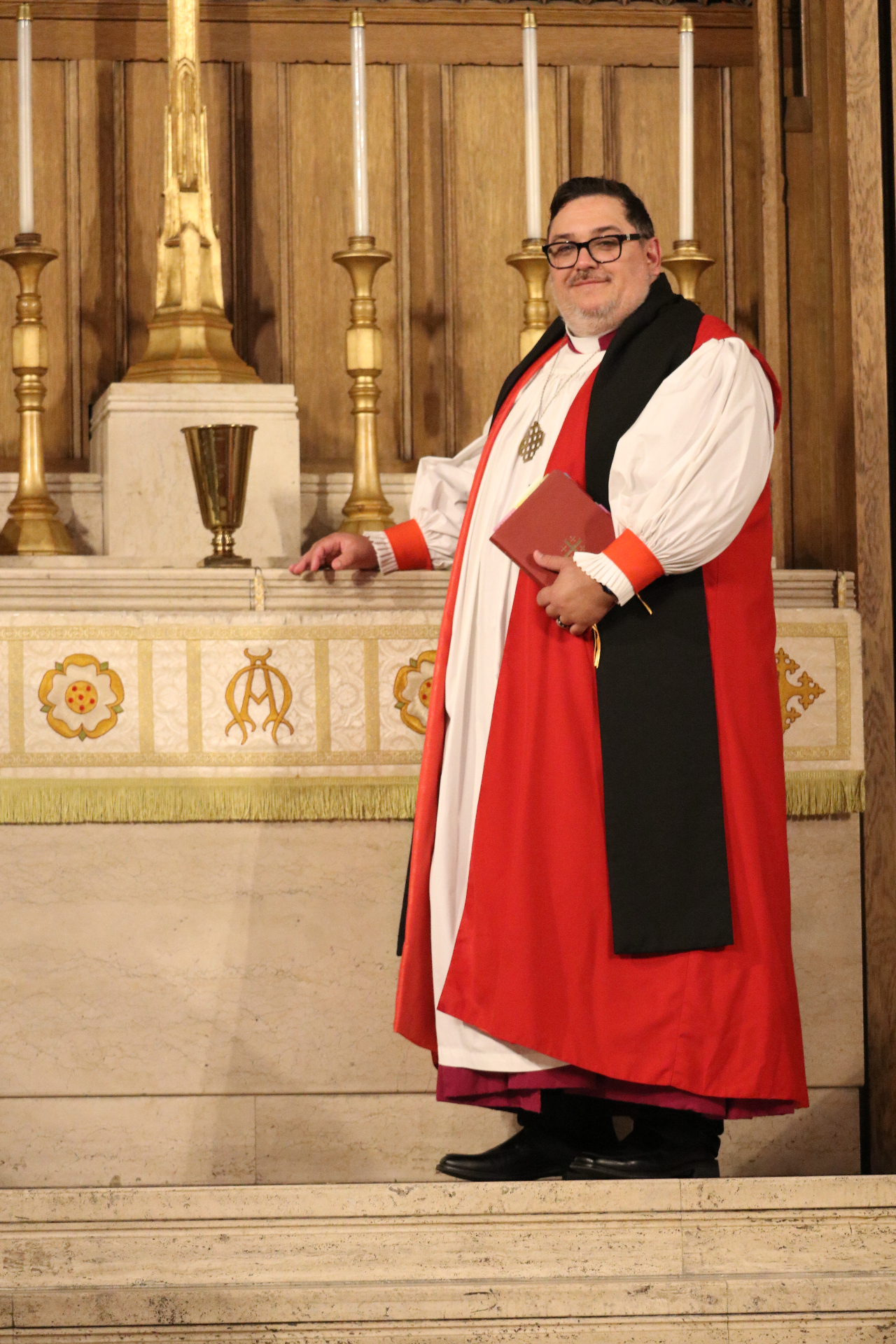
The Right Reverend Brent Whetstone, Bishop Ordinary

Bishop Ordinary

The Rt. Rev. Brent Whetstone

Bishop Brent exercises pastoral and canonical oversight of the Ordinariate — forming chaplains, endorsing them for ministry, and guarding the doctrine, discipline, and worship entrusted to us.

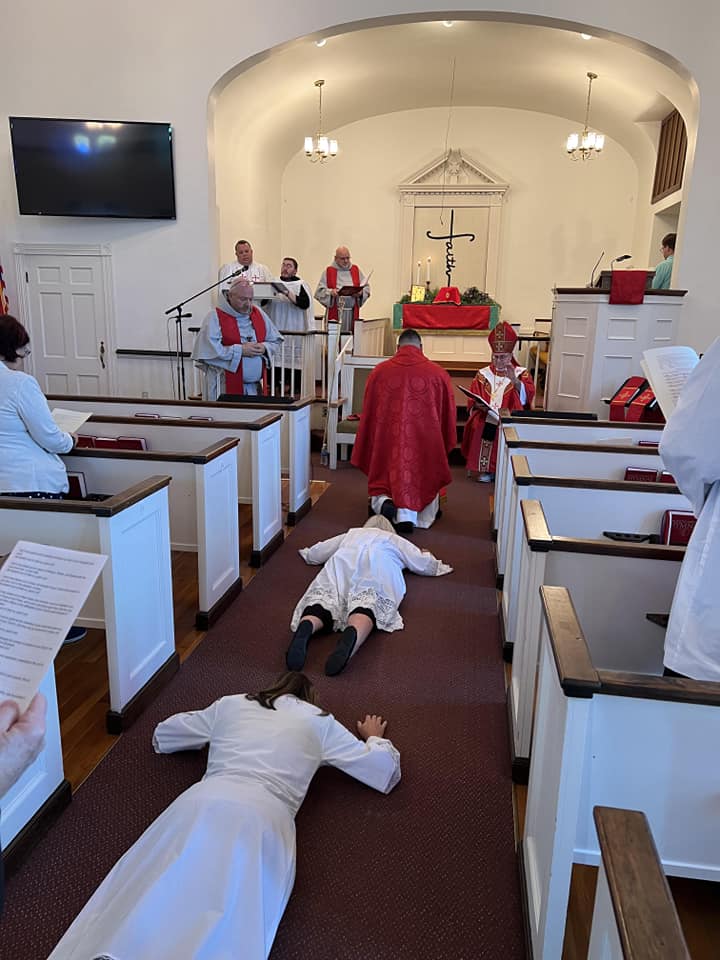
The Ordinariate is served by clergy across military, medical, educational, governmental, and emergency ministries — each endorsed and supported for their particular field of chaplaincy.

"A community of clergy and faithful united in prayer, formed by the liturgy, and sent into the world to serve."